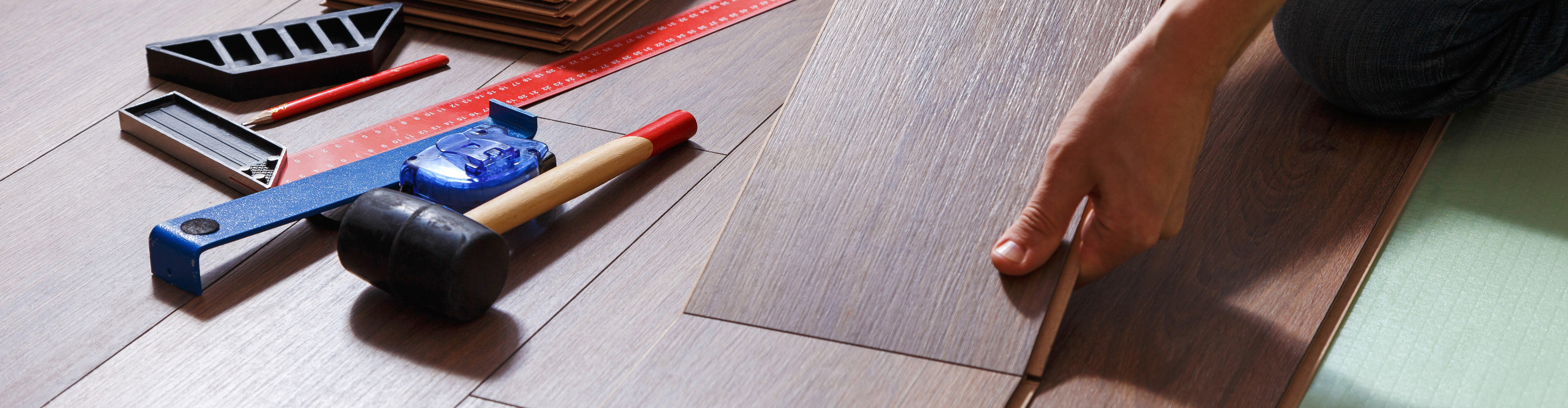
New flooring is a significant investment. The quality of the installation determines how long it lasts, how well it performs, and whether your manufacturer warranty stays intact. Here's what to know before your project begins.
Flooring is more than a surface. It's a system, and every part of that system, from the subfloor underneath to the material on top, affects how well your floor performs and how long it lasts.
Professional installation matters for three reasons: floor longevity, warranty protection, and subfloor preparation.
For a complete overview of the process, visit our flooring installation guide. If you're still in the planning stage, reviewing the questions to ask your installer before you hire can save time and prevent surprises.
Installation standards vary by material. Each flooring type has specific requirements that affect durability, appearance, and long-term performance. Here's what professional execution looks like across the five most common flooring types.
Carpet installation is more technical than it looks. Power stretching is one of the most critical steps: a power stretcher pulls the carpet taut across the room and anchors it to tackless strips along the walls. Without it, carpet relaxes over time and develops ripples and buckles that are both unsightly and a tripping hazard.
Seam placement matters just as much. Professional installers plan cuts to put seams in low-traffic areas and out of direct light, which keeps them as invisible as possible. Poorly placed seams show quickly and can fray or separate with regular use.
Hardwood is a natural material that responds to moisture and temperature. Before installation, it needs an acclimation period, typically several days in the home, so the wood can adjust to the room's humidity level. Installing before proper acclimation leads to warping and gapping after the fact.
Moisture testing is equally important. High moisture in the subfloor causes hardwood to swell, cup, or buckle. Professionals test before they install. Subfloor flatness requirements and proper expansion gaps at walls and transitions round out the standards that keep hardwood stable year-round.
Vinyl is unforgiving of subfloor imperfections. Because the material is thin and flexible, any bump, dip, or debris beneath the surface telegraphs through to the top layer over time. Professional installers prep the subfloor to a flatness standard that prevents this.
The installation method, whether glue-down, loose-lay, or a click-lock floating system, also has to match both the product and the subfloor type. Using the wrong adhesive, or skipping it on a product that requires it, leads to shifting, bubbling, and edge lifting.
Like hardwood, laminate needs time to acclimate to the room before installation. The floating floor system that makes laminate easy to install also makes it sensitive to temperature and humidity swings, so proper expansion gaps at walls and transitions are non-negotiable.
Underlayment quality affects both comfort and sound. A thin or mismatched underlayment produces a hollow, noisy floor. Professional installers match underlayment to the product and subfloor type, which affects everything from how the floor feels underfoot to how it holds up over time.
Tile installation depends on precision at every stage. Mortar type has to be matched to the tile material and the application, since floor tile in a wet area carries different requirements than a dry living space. Coverage matters too: professional tile setters achieve at least 95 percent mortar coverage under each tile, which prevents cracking under load.
Grout joint consistency is one of the clearest marks of quality tile work. Uneven joints signal that layout planning or execution fell short. Subfloor deflection is equally critical: tile cracks when the floor flexes. Professionals verify that the subfloor meets deflection standards before a single tile goes down.
Thinking about what to do before your installer arrives? How to prepare for installation covers what to expect and how to get your space ready.
Knowing what good installation looks like helps you evaluate work in progress and recognize problems early if something isn't right.
The checklists below lay out the visible differences between well-done and poorly-done installation across all five flooring types. For each material, you'll see what to look for when the job is done correctly and the warning signs that point to a problem.
These details matter whether you're reviewing new installation, assessing an older floor, or trying to determine whether what you're seeing is an installation issue or a product issue. The two are often confused, and knowing the difference shapes the right next step.
| Hardwood Installation Done Right | Poorly Done Hardwood Installation |
|---|---|
|
|
| Laminate Installation Done Right | Poorly Done Laminate Installation |
|---|---|
| The laminate will show frayed edges. |
| Vinyl Installation Done Right | Poorly Done Vinyl Installation |
|---|---|
|
|
| Tile Installation Done Right | Poorly Done Tile Installation |
|---|---|
|
|
Whether your floors need a simple repair, a refresh, or a full replacement, our flooring experts are here to guide you toward the right solution for your space. Don't wait to contact us today and take the first confident step toward floors you'll love for years to come.
Thank you for contacting Carpet One Floor & Home. Your local flooring expert will reach out to you regarding your inquiry.